SHB20216 Certificate II in Salon Assistant RPL at a Glance
| Feature | Details |
|---|
| Qualification Code | SHB20216 |
| Qualification Name | Certificate II in Salon Assistant |
| Assessment Method | Recognition of Prior Learning (RPL) |
| Qualification Type | Nationally Recognised Qualification |
| Training Package | SHB Hairdressing and Beauty Services Training Package |
| Suitable For | Salon Assistants and Junior Salon Staff |
| Recognition | Australia-Wide |
| Industry | Hairdressing and Beauty |
| Career Outcomes | Salon Assistant, Junior Hairdresser, Salon Support Worker |
| Further Pathways | Certificate III in Hairdressing |
What Is SHB20216 Certificate II in Salon Assistant RPL?
SHB20216 Certificate II in Salon Assistant RPL is a Recognition of Prior Learning pathway that allows experienced salon assistants to gain a nationally recognised qualification based on workplace experience.
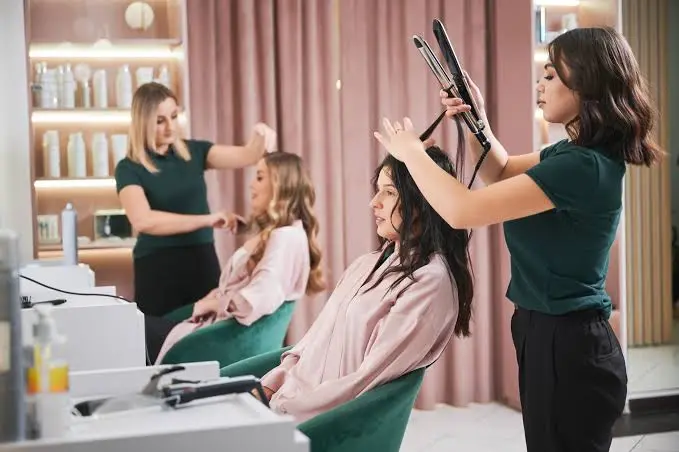
The qualification recognises skills developed through salon support duties, client preparation, shampoo and basin services, customer service, retail assistance, appointment support, workplace hygiene, and salon operations.
Through RPL, eligible applicants can have their experience assessed against nationally recognised competency standards without repeating training in areas where competency can already be demonstrated.
The qualification reflects the responsibilities of salon assistants working under the supervision of qualified hairdressers and salon professionals.
Is SHB20216 a Nationally Recognised Qualification?
Yes.
SHB20216 is a nationally recognised qualification within Australia’s Vocational Education and Training (VET) system.
The qualification is listed on training.gov.au and forms part of the SHB Hairdressing and Beauty Services Training Package.
When issued by an authorised Registered Training Organisation (RTO), the qualification is recognised throughout Australia.
Can You Get SHB20216 Through RPL?
Yes.
Experienced salon assistants may achieve SHB20216 through Recognition of Prior Learning if they can demonstrate competency against qualification requirements.
RPL focuses on:
- Salon support duties
- Shampoo services
- Client preparation
- Customer service
- Retail assistance
- Workplace hygiene
- Reception support
- Evidence of competency
Many salon assistants already perform these duties every day.
Why Do Salon Assistants Choose SHB20216?
Many salon workers gain practical skills on the job before obtaining a formal qualification.
A nationally recognised qualification helps demonstrate industry knowledge and practical capability.
Professionals commonly pursue SHB20216 to:
- Gain formal recognition of experience
- Improve employment opportunities
- Support career progression
- Build confidence in the workplace
- Meet employer expectations
- Prepare for higher hairdressing qualifications
- Strengthen professional credibility
Benefits of SHB20216 RPL
Benefits at a Glance
| Benefit | Outcome |
|---|
| National Recognition | Qualification recognised across Australia |
| Skills Recognition | Existing experience formally recognised |
| Career Development | Supports hairdressing career progression |
| Employment Opportunities | Demonstrates industry skills |
| Time Efficiency | No need to repeat existing competencies |
| Professional Credibility | Recognised qualification |
| Further Study Pathways | Supports Certificate III progression |
Who Is Eligible for SHB20216 RPL?
You may be eligible if you currently work in a salon environment.
Common applicants include:
- Salon Assistants
- Junior Hairdressers
- Salon Support Staff
- Hairdressing Assistants
- Shampoo Technicians
- Reception and Salon Assistants
- Barber Shop Assistants
- Hair Salon Support Workers
Experience gained in Australia or overseas may be considered.
How Much Experience Is Needed for Salon Assistant RPL?
There is no fixed number of years required.
Eligibility depends on:
- Salon responsibilities
- Client service experience
- Daily duties performed
- Workplace knowledge
- Available evidence
Individuals who regularly assist hairdressers and support salon operations often possess competencies aligned with qualification requirements.
What Experience Counts Towards SHB20216 RPL?
Relevant experience may include:
- Shampooing hair
- Conditioning treatments
- Client preparation
- Greeting clients
- Salon cleaning and maintenance
- Appointment support
- Product recommendations
- Retail sales assistance
- Towel preparation
- Reception duties
- Stock management
- Salon presentation
Experience may come from:
⭕Hair Salons
Support stylists and maintain salon operations.
⭕Barber Shops
Assist barbers and support customer service activities.
⭕Beauty Salons
Provide reception and salon support services.
⭕Hairdressing Franchises
Assist with daily client and salon operations.
⭕Mobile Hairdressing Businesses
Support service delivery and customer care.
What Skills Does SHB20216 Cover?
The qualification develops foundation salon skills.
Key competency areas include:
- Customer service
- Shampoo and basin services
- Salon support
- Retail assistance
- Workplace hygiene
- Communication skills
- Reception support
- Product knowledge
- Teamwork
- Workplace organisation
These skills support efficient salon operations and positive client experiences.
Who Is SHB20216 Best Suited For?
| Occupation | Suitable |
|---|
| Salon Assistant | ✓ |
| Hairdressing Assistant | ✓ |
| Junior Salon Staff | ✓ |
| Shampoo Technician | ✓ |
| Salon Support Worker | ✓ |
| Barber Shop Assistant | ✓ |
| Qualified Hairdresser | Usually No |
What Units Are Included in SHB20216?
SHB20216 includes units focused on salon support, client services, communication, retail assistance, and workplace hygiene.
Examples of Units Commonly Included
| Unit Code | Unit Name |
|---|
| SHBXIND001 | Comply with organisational requirements within a personal services environment |
| SHBXCCS001 | Conduct salon financial transactions |
| SHBXCCS002 | Provide salon services to clients |
| SHBHBAS001 | Provide shampoo and basin services |
| SHBHDES001 | Dry hair to shape |
| SHBXIND002 | Communicate as part of a salon team |
| SHBXWHS001 | Apply safe hygiene, health and work practices |
| SIRRINV001 | Receive and handle retail stock |
| SHBXCCS003 | Greet and prepare clients for salon services |
| SHBXCCS004 | Recommend products and services |
Note: Unit packaging requirements may change. Refer to training.gov.au for current qualification information.
What Is the Difference Between SHB20216 and SHB30416?
| Feature | SHB20216 | SHB30416 |
|---|
| Qualification Level | Certificate II | Certificate III |
| Focus | Salon Support | Hairdressing Services |
| Role | Salon Assistant | Qualified Hairdresser |
| Responsibilities | Client Preparation and Support | Cutting, Colouring and Styling |
| Career Outcome | Salon Assistant | Hairdresser |
SHB20216 focuses on supporting salon operations. SHB30416 focuses on delivering professional hairdressing services.
Why Is RPL Growing in Australia?
Recognition of Prior Learning continues to grow because many workers develop practical skills through employment.
Several factors contribute to increased demand:
- Skills recognition
- Career progression
- Nationally recognised qualifications
- Workforce development
- Vocational education pathways
- Employer expectations
Many salon assistants already perform industry-standard tasks but do not hold a formal qualification.
Why Is Demand Growing for Salon Professionals?
Australia’s personal services sector continues to employ thousands of workers across hairdressing and beauty businesses.
Demand is influenced by:
- Population growth
- Ongoing demand for personal grooming services
- Growth in beauty and hairdressing businesses
- Workforce turnover
- Client service expectations
Salon assistants help support efficient salon operations and customer satisfaction.
Source: Jobs and Skills Australia.
Industries Where SHB20216 Skills Apply
⭕Hair Salons
Support stylists and salon operations.
⭕Barber Shops
Assist barbers and client services.
⭕Beauty Salons
Provide customer service and salon support.
⭕Hairdressing Franchises
Support daily business operations.
⭕Personal Services Businesses
Assist with client care and administration.
How Long Does SHB20216 RPL Take?
The timeframe depends on:
- Available evidence
- Industry experience
- Assessment requirements
Many applicants complete the process within several weeks after submitting the required documentation.
How Much Does SHB20216 RPL Cost?
Assessment costs vary according to:
- Industry experience
- Existing qualifications
- Available evidence
- Assessment requirements
A pre-assessment helps determine eligibility and applicable fees.
What Jobs Can You Get With SHB20216?
| Job Role | Industry Sector |
|---|
| Salon Assistant | Hairdressing |
| Hairdressing Assistant | Personal Services |
| Salon Support Worker | Hair and Beauty |
| Shampoo Technician | Hair Salons |
| Junior Salon Staff | Hairdressing Industry |
What Salary Can Salon Assistants Earn in Australia?
Salon Assistants commonly earn between $50,000 and $65,000+ per year depending on experience, location, employer, and responsibilities.
Salaries vary based on business size, hours worked, and progression into hairdressing roles.
Typical Salary Ranges
| Job Role | Typical Salary Range* |
|---|
| Salon Assistant | $50,000 – $60,000+ |
| Hairdressing Assistant | $50,000 – $65,000+ |
| Salon Support Worker | $50,000 – $60,000+ |
| Junior Salon Staff | $48,000 – $58,000+ |
*Salary ranges vary by employer, location, and employment arrangements.
Sources:
What Career Pathways Are Available After SHB20216?
SHB20216 provides a pathway into qualified hairdressing and salon careers.
Common career pathways include:
⭕Hairdresser
Progress into professional hairdressing services.
⭕Senior Salon Assistant
Take on additional client service responsibilities.
⭕Salon Coordinator
Support salon administration and customer service.
⭕Barber
Move into barbering qualifications and services.
⭕Salon Manager
Progress into leadership and salon operations roles with further experience and qualifications.
Can You Progress to SHB30416 Certificate III in Hairdressing?
Yes.
Many salon assistants continue into:
SHB30416 Certificate III in Hairdressing
Develop skills in:
- Hair cutting
- Hair colouring
- Hair styling
- Chemical services
- Client consultations
This qualification is the standard pathway to becoming a qualified hairdresser.
SHB20216 RPL Available Across Australia
We assist eligible salon professionals throughout:
- New South Wales (NSW)
- Victoria (VIC)
- Queensland (QLD)
- Western Australia (WA)
- South Australia (SA)
- Tasmania (TAS)
- Australian Capital Territory (ACT)
- Northern Territory (NT)
Why Choose Care Connect Training Institute?
✔️Industry-Experienced Assessors
Assessors understand salon operations, customer service, and hairdressing environments.
✔️Candidate Support
Guidance is available throughout the assessment process.
✔️Transparent Assessment Process
Clear evidence requirements help applicants understand assessment expectations.
✔️Nationally Recognised Outcomes
Qualifications align with Australian training standards.
✔️Compliance-Focused Assessment
Assessment practices follow applicable vocational education and training requirements.