
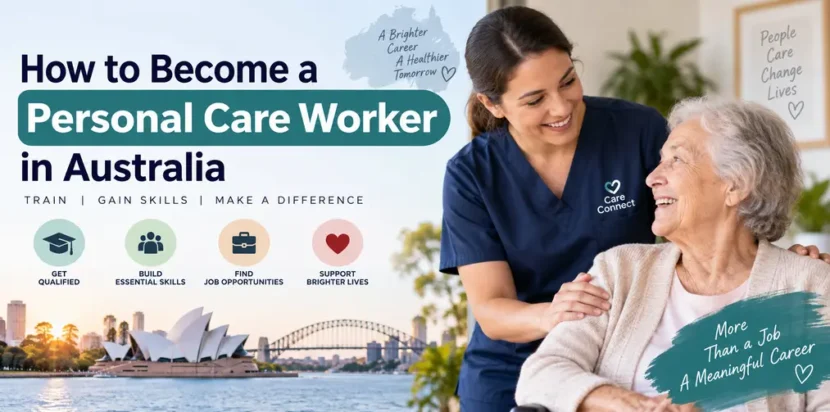
How to Become a Personal Care Worker in Australia: 2026 Guide
A Personal Care Worker (PCW) supports people who need assistance with personal care and everyday activities. Depending on the role, you may work in residential aged care, home care, community services or disability support. There is no single qualification that applies to every Personal Care Worker
Read More
How to Choose the Right RTO for a Healthcare Course
Choosing the right RTO for a healthcare course is about more than finding the lowest course fee or the provider with the most convenient advertisement. The Registered Training Organisation (RTO) you choose can affect how your training is delivered, how practical skills are assessed, what work
Read More
Best Cities for Support Worker Jobs in Australia
If you’re looking for support worker jobs in Australia, Sydney, Melbourne and Brisbane are among the largest metropolitan markets to consider, while Adelaide and Perth also have established care-sector employment opportunities. Canberra has a smaller market but may still suit people interested in disability and community
Read More
Best Online Healthcare Courses in Australia: 2026 Guide
Choosing the best online healthcare course in Australia isn’t simply about finding the shortest course, the cheapest provider or the qualification with the highest level. The right choice depends on the type of healthcare work you want to do, the qualification or training that career requires,
Read More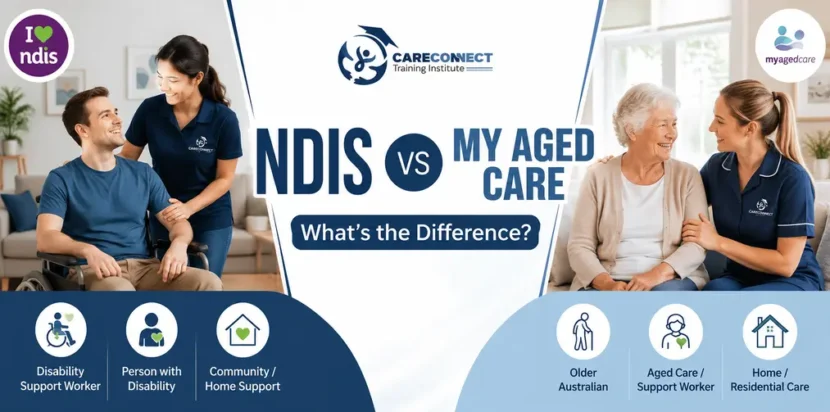
NDIS vs My Aged Care: What’s the Difference?
If you work in care—or are thinking about becoming a support worker—you will likely come across both the National Disability Insurance Scheme (NDIS) and My Aged Care. They are both important parts of Australia’s care system, but they are not the same programme. The NDIS is
Read More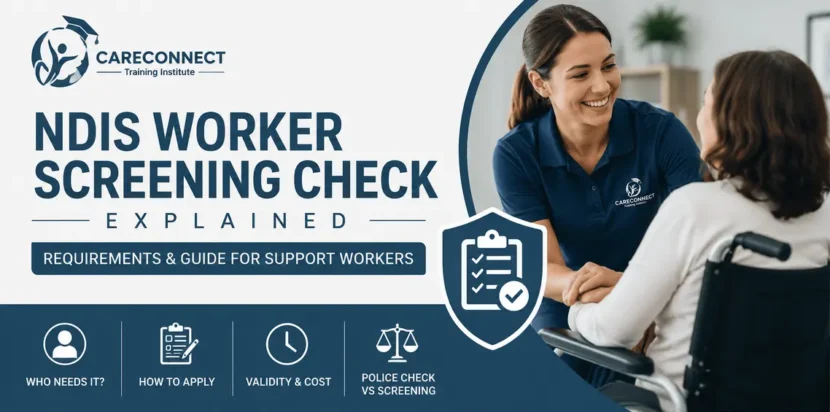
NDIS Worker Screening Check Explained: Requirements & Guide for Support Workers
The NDIS Worker Screening Check is a background screening process that assesses whether a worker is suitable to work in certain roles supporting people with disability under the NDIS. State and territory worker screening units conduct the check on behalf of the NDIS Quality and Safeguards
Read More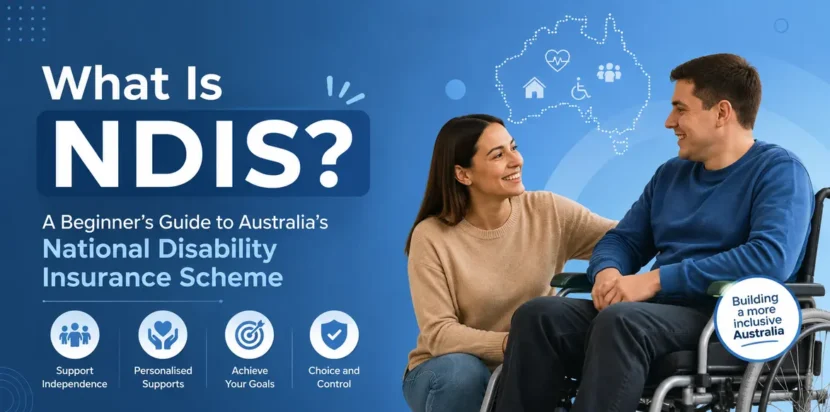
What Is NDIS? A Beginner’s Guide to Australia’s National Disability Insurance Scheme
If you’re new to Australia’s disability support system, you’ve probably come across the term NDIS. Understanding how the NDIS works is helpful whether you’re living with disability, supporting a family member, considering a career in disability support, or planning to study a healthcare qualification. This beginner-friendly
Read More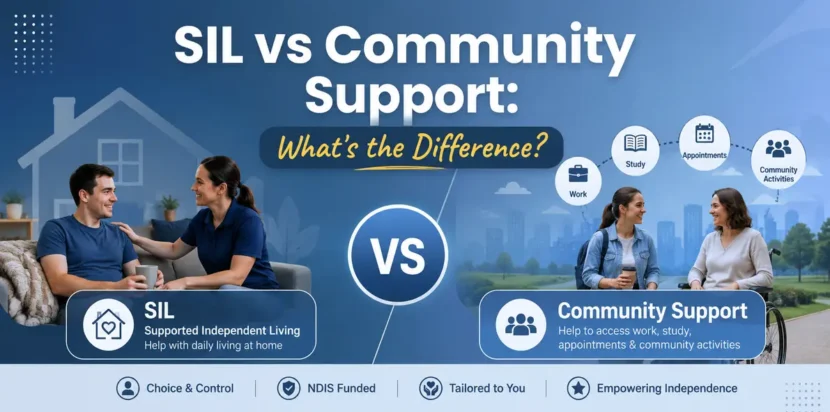
SIL vs Community Support: What’s the Difference in Australia?
Supported Independent Living (SIL) provides ongoing assistance for people with higher support needs in their home, while Community Support helps people participate in everyday life through social, recreational, educational, and community activities. Depending on their goals and approved funding, many National Disability Insurance Scheme (NDIS) participants
Read More
Support Worker Jobs in Australia: Where to Find Work (2026 Guide)
Finding a support worker job in Australia has never been more promising. As the country’s ageing population grows and demand for disability and community care services continues to rise, healthcare providers across Australia are actively seeking qualified, compassionate, and job-ready support workers. Whether you’re a school
Read More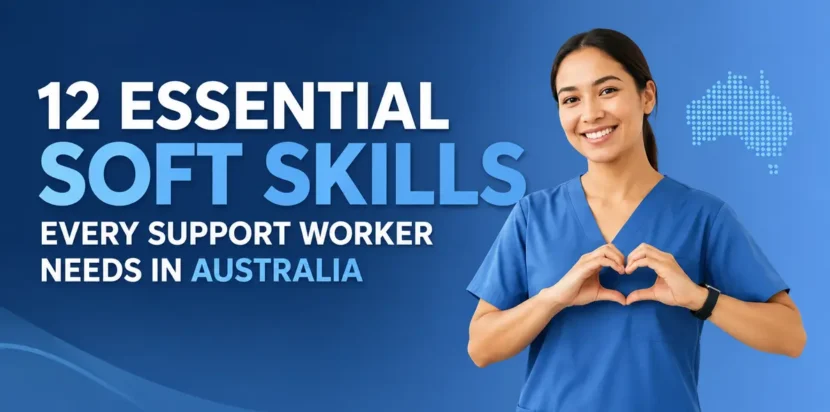
12 Essential Soft Skills Every Support Worker Needs
Soft Skills Every Support Worker Needs to Succeed in Australia Support workers play a vital role in helping older Australians and people with disability live safely, independently, and with dignity. While technical skills such as manual handling, infection control, and first aid are necessary, employers across
Read More