
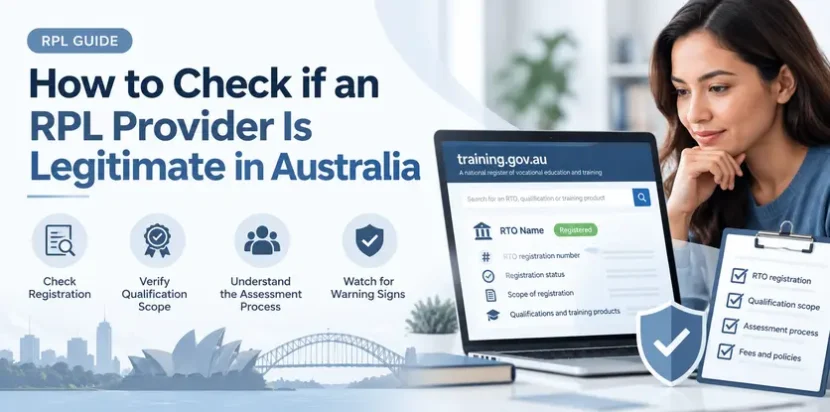
How to Verify an RTO Before Applying for RPL
Choosing the right provider is an important step when applying for Recognition of Prior Learning (RPL) in Australia. Before paying fees or submitting your documents, you should verify the Registered Training Organisation (RTO) responsible for assessing your skills and issuing your qualification. An RPL provider and
Read More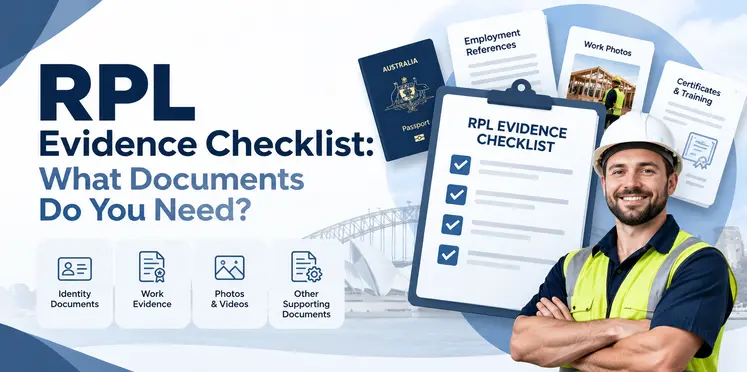
RPL Evidence Checklist: What Should You Prepare?
If you have relevant work experience, previous training or other learning that relates to a qualification, Recognition of Prior Learning (RPL) may allow your existing skills and knowledge to be assessed against the requirements of that qualification. The important part is preparing evidence that helps an
Read More
How to Increase Your Earning Potential in Australia Using Your Skills and Experience
Are you already working in Australia but feel like your skills and experience aren’t reflected in what you earn? You can increase your earning potential in Australia by building job-relevant skills, gaining recognised qualifications, taking on greater responsibility and targeting roles that match market demand. Your
Read More
RPL vs Credit Transfer: What’s the Difference?
If you already have previous study, workplace experience or industry skills, you may not need to repeat every unit of a VET qualification. Two pathways that can recognise previous learning are Recognition of Prior Learning (RPL) and credit transfer. Although they can both reduce duplicated learning,
Read More
Support Worker vs Support Coordinator: What’s the Difference?
If you’re exploring a career in disability support or community services in Australia, you may have come across two roles that sound similar: support worker and support coordinator. They are different roles with different responsibilities. A support worker generally provides direct, practical support to a person
Read More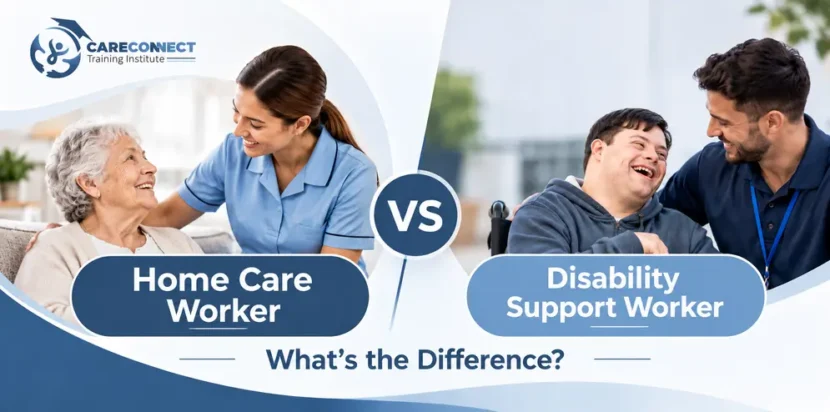
Home Care Worker vs Disability Support Worker: What’s the Difference?
Home care workers and disability support workers both help people with everyday activities, independence and wellbeing, but they do not necessarily work with the same client groups or in the same service settings. A home care worker commonly supports people in their own homes or communities,
Read More
Aged Care Career Pathway in Australia: From Beginner to Team Leader
Starting a career in aged care can be the beginning of a much broader professional journey. You may start by providing direct support to older people, then gradually take on more responsibility, develop stronger workplace skills, complete further training and eventually move into senior or team
Read More
VET vs University Healthcare Courses in Australia: Which Pathway Is Right for Your Career?
Choosing a healthcare course in Australia is not simply a decision between studying at TAFE or going to university. The more important question is: What healthcare role do you want to work towards, and what qualification does that role require? For some careers, a vocational education
Read More
Short Healthcare Courses in Australia That Lead to Jobs
If you want to enter Australia’s healthcare and care sector without committing to a university degree, short healthcare courses can be a useful starting point. Courses such as CPR, First Aid and Basic Emergency Life Support can develop specific practical skills, while vocational qualifications such as
Read More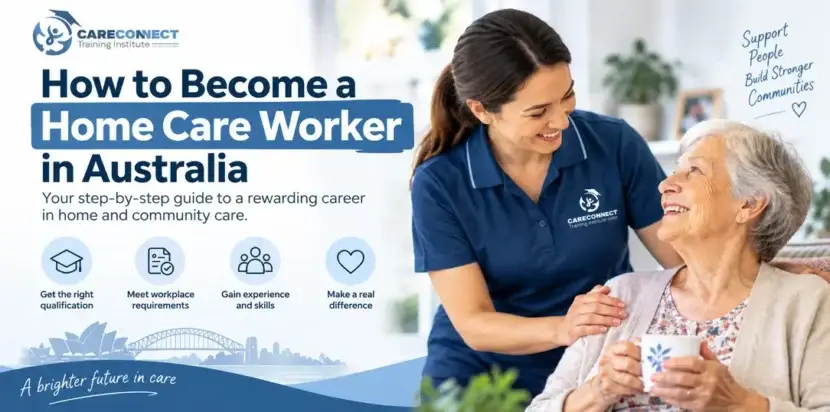
How to Become a Home Care Worker in Australia
Home care workers support people in their own homes and communities with everyday activities, personal care, independence and wellbeing. Depending on the role, you may work with older people, people with disability or other people who need assistance with daily living. There is no single qualification
Read More